

When longtime billboard parcels along Interstate 95 were suddenly challenged nearly three decades after their creation, potentially millions of dollars in property rights and revenue were put at risk.
What followed was a complex land use dispute that tested not only technical documentation, but also fundamental principles of Florida property law.
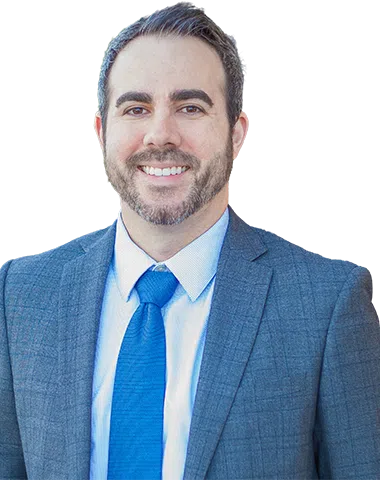
Leading the defense was partner John M. Frazier, Jr. of Widerman Malek, who successfully secured summary judgment protecting the client’s longstanding easement rights and commercial interests.
A Dispute Nearly 30 Years in the Making
The case traced back to a 1999 land transaction involving a large tract of property that was subdivided into multiple parcels. Two smaller parcels containing existing billboards were retained by the original owner, while the surrounding land was sold.
As a result of that subdivision, the billboard parcels became landlocked. From the beginning, access and utility easements were intended to allow continued operation of the billboards. For nearly 29 years, all parties treated those easements as valid, and billboard operations continued without issue.
That changed in 2024, when the current owner of the surrounding property challenged the easement rights altogether.
The new owner alleged that no valid easements existed, claimed trespass, and sought to cut off access to the billboard parcels. The complaint also attempted to recover damages through the trespass claim which could have potentially included hundreds of thousands of dollars in lease payments tied to billboard advertising, other forms of compensatory damages, claims of diminution in value of property, claims of lost opportunities to develop land which may have included lost profits, and “irreparable harm”, to name a few – placing not only past income but also future revenue at risk. Over the billboards’ lifespan and utilization of easement rights, the financial exposure could have reached into the millions.
Turning a Technical Defect Into a Legal Victory
Early in the case, the court found that the original written easement documents contained technical defects that made them unenforceable. It was after this ruling that John Frazier and Widerman Malek were retained by the client and entered the case.
For many property owners, that type of ruling could have been the end of the road.
Instead, Frazier advanced a strategic legal argument grounded in longstanding Florida property law. He demonstrated that when land is subdivided in a way that creates landlocked parcels intended for continued use, the law recognizes easements, even when written documents may be flawed.
In this case, the evidence clearly showed the billboard parcels were created with the expectation of ongoing access and utility service. Without those easements, the parcels would have been less useful and desirable impacting use and marketability.
The court agreed.
The Result
The judge granted summary judgment in favor of Widerman Malek’s client, confirming that easement rights for both access and utilities have existed since the original land conveyance in 1999.
The ruling:
- Preserved nearly three decades of established property rights
- Protected substantial historical and future revenue
- Rejected claims of trespass
- Blocked any potential efforts to claw back lease payments or other related damages
Most importantly, it ensured that the billboard parcels could continue operating as they had for almost 30 years.
Why This Matters for Property Owners and Developers
This case serves as an important reminder that property rights are not determined solely by paperwork.
Longstanding use, intent at the time of subdivision, and fundamental land use principles can play a critical role in protecting valuable assets, particularly in complex commercial and legacy property situations.
For landowners, developers, and businesses operating on subdivided or landlocked parcels, experienced land use counsel can make the difference between losing access and preserving millions in long-term value.
Key Takeaways for Property Owners and Developers
- Longstanding land use and intent may matter, even when original documents contain technical defects
- Landlocked parcels created through subdivision may still carry legal access and utility rights under Florida law
- Easements can protect valuable commercial property interests decades after land is conveyed
- Early legal strategy is critical when access rights or historical use are challenged
- High-stakes land use disputes can place millions in revenue and property value at risk if not handled properly
Protecting Your Property Rights
Disputes involving easements, access, land use, and legacy properties can quickly become complex and financially significant.
If you are facing challenges related to property access, subdivision issues, or longstanding land use rights, working with experienced land use counsel can make all the difference.
Partner John M. Frazier, Jr. and the team at Widerman Malek have extensive experience protecting property owners, developers, and commercial interests in high-stakes land use litigation.
Contact us today to discuss how we can help protect your property rights and long-term investments at 321-255-2332.